
Anxiety is very creative. It is a master at coming up with all kinds of weird and not-so-wonderful symptoms. They can be almost anything.
Anxiety symptoms are tricky too. They can:
- Appear and disappear in an instant; or stick around for ages
- Be really intense at times, or just lurking in the background at others
- Be there one day, and gone the next
- Show up for no apparent reason, and disappear again even though nothing changed
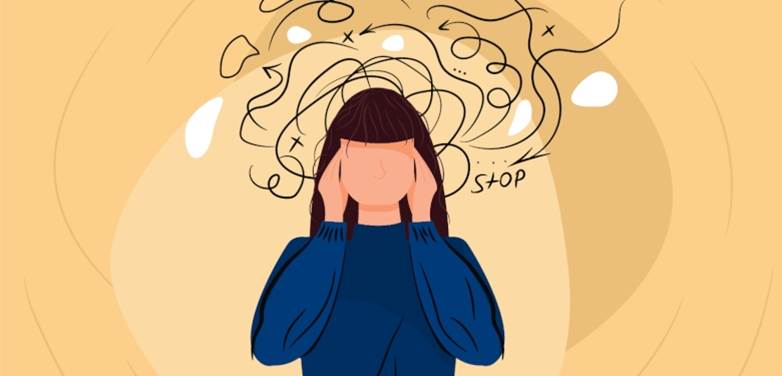
Everything about the symptoms seems to be designed to cause maximum doubt and worry. Anxiety plays on our strongest fears, convincing us that this symptom must mean we have a serious and possibly fatal disease.
No wonder people often ask, “Is this symptom just anxiety?”
We should always get persistent symptoms checked out medically. However, reassurance from doctors that nothing is wrong does not ease our mind for long. The doubts and fears return.
Examples of Symptoms
Anxiety symptoms can be grouped into four categories: physical, mental, emotional, and spiritual.
Physical Anxiety Symptoms
Some of the most common examples are:
- Overall tension
- Head or chest pain / pressure
- Ringing in the ears
- Dizziness, feeling weak / wobbly
- Upset stomach or bowels
Mental Anxiety Symptoms
These are things such as:
- Intrusive, repetitive, and scary thoughts
- Difficulty focusing or remembering
- Constant vigilance, yet easily triggered by things
- Feelings of unreality or depersonalization
Emotional Anxiety Symptoms
- Intense emotions such as anxiety, sadness, anger, shame
- Unable to feel happiness, joy, love
- No motivation, and loss of interest in many things
- Overwhelming feelings of hopelessness and despair
Spiritual Symptoms
- Vague sense of impending doom
- Struggle to see any meaning or purpose in life
- Loss of faith and belief. Feeling of disconnection.
A more comprehensive list of anxiety symptoms can be found by clicking here
Other Categories of Anxiety Symptoms
A couple of distinct types of symptoms are sleep and eating issues. Here are a few examples of each:
Sleep Issues
- Difficulty falling asleep
- Waking up in the middle of the night in a panic
- Unable to get back to sleep once awake
- Fear of not getting enough sleep
Eating Issues
- No appetite / losing weight
- Over-eating / gaining weight
- Nausea
- Difficulty swallowing
Recovery can be a Challenge
The acceptance method teaches us how to face our symptoms and allow ourselves to really experience them fully and willingly. This will reduce our fear of them, and eventually they fade away.
But anxiety doesn’t give up that easily. Often, no sooner than we have learned to accept one symptom so that it no longer bothers us, a new, unexpected, and equally frightening symptom will pop up in its place.
This makes it feel like this our suffering will never end. Anxiety seems determined to undermine our belief that we can recover.
On top of that, the symptoms are so convincing and frightening that it is easy to believe that the ones we fear the most will never leave us. That we will never be able to recover.
But this is all the bluff of anxiety.
If we persist, we will desensitize, and the frequency and intensity of symptoms will diminish. It just takes practice, patience, and time.
No matter what the symptom, it will clear up when we recover from the anxiety state.
